The Protein Shake Strategy for GLP-1 Users: When Liquid Protein Isn’t Just Convenient
TL;DR
- Protein shakes on semaglutide are not just convenient: liquid protein bypasses the stomach-stretch signal that limits how much solid food you can eat, so it delivers a full dose without occupying the space you do not have.
- That makes a shake a clinical tool on a suppressed appetite, not a lazy substitute for cooking. The mechanism is the whole argument.
- Whey isolate is the top choice for the GLP-1 use case: high leucine, fast digestion, low volume, gentle on a slowed gut when chosen well.
- Shakes have three specific jobs on GLP-1, and one clear failure mode: replacing whole food entirely.
Why a shake stops being a shortcut and becomes a tool
On a normal appetite, a protein shake is a convenience: a fast way to hit a number when you do not feel like cooking. On GLP-1, it becomes something more specific. The medication slows gastric emptying and fills you fast, so your binding constraint is stomach volume, not willpower. Liquid protein does not trigger the gastric stretch receptors that signal fullness the way a solid meal does, which means a shake can land 25–30 g of protein in a volume your stomach barely registers. That is not the same job a shake does for a person eating normally. It is solving the exact problem the drug creates.
This article makes the mechanistic case for shakes as a tool, ranks which protein sources serve that job best, and gives you the three situations where a shake earns its place, plus the one where it does not.
Download the free GLP-1 Starter Framework: the three-lever system for losing fat without losing muscle. ryanmercer.gumroad.com/l/txhvrr
Why liquid protein works differently on GLP-1
Fullness is partly mechanical. Stretch receptors in the stomach wall sense volume and report it to the brain as satiety. Your stomach is full, stop eating. Solid food, especially high-volume or fibrous food, activates those receptors quickly, and GLP-1 amplifies the effect by slowing how fast the stomach empties. The result is the familiar GLP-1 experience: a few bites and you are done.
Liquid protein largely sidesteps this. It passes through with far less mechanical stretch per gram of protein delivered, so it does not flip the fullness switch the way an equivalent amount of solid protein would. Practically, that means you can get a full protein dose in when a solid meal of the same protein content would be physically impossible to finish. The shake is not “easier” in a willpower sense. It is mechanically lower-volume, which is precisely the variable GLP-1 constrains. That is the difference between convenience and a tool: the shake is doing something solid food cannot do under these conditions.
Whey isolate vs. casein vs. plant-based: which matters here
For the GLP-1 use case, the ranking is fairly clear.
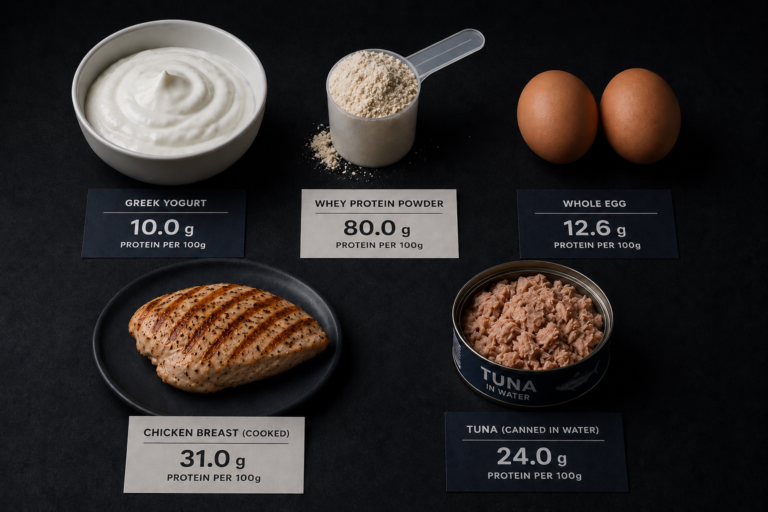
Whey isolate is the top choice. It is high in leucine, which clears the per-meal muscle protein synthesis threshold in a small serving (the leucine logic is in the leucine threshold), and it digests fast, producing a sharp synthesis response. Isolate specifically (rather than concentrate) is lower in lactose, which matters on a slowed, sometimes sensitive GI system. Norton and Layman (J Nutr, 2006;136:533S–537S) anchor the leucine-trigger model that makes a fast, leucine-rich protein the efficient choice here.
Casein digests slowly, producing a lower, more sustained amino acid release. It has a role (a pre-bed feeding to add an overnight synthesis window) but it is not your tool for the fast, low-volume dose that the GLP-1 use case needs most.
Plant-based (pea, soy, blends) can work, but most plant proteins carry less leucine per gram, so you need a larger or fortified serving to clear the threshold. If you are plant-based by necessity or choice, choose a blend formulated for a complete amino acid profile and accept that the serving runs larger.
The three use cases for protein shakes on GLP-1
A shake earns its place in three specific situations:
- As a second protein dose in a meal that couldn’t hold a full solid portion. You ate what you could of a solid meal and came up short on protein. A shake tops the meal to threshold without adding meaningful volume.
- As the injection day floor protein. When peak nausea makes solid food impossible, liquid protein is what holds your protein floor, sipped slowly if needed. This is the backbone of the injection-day protocol in injection day nutrition.
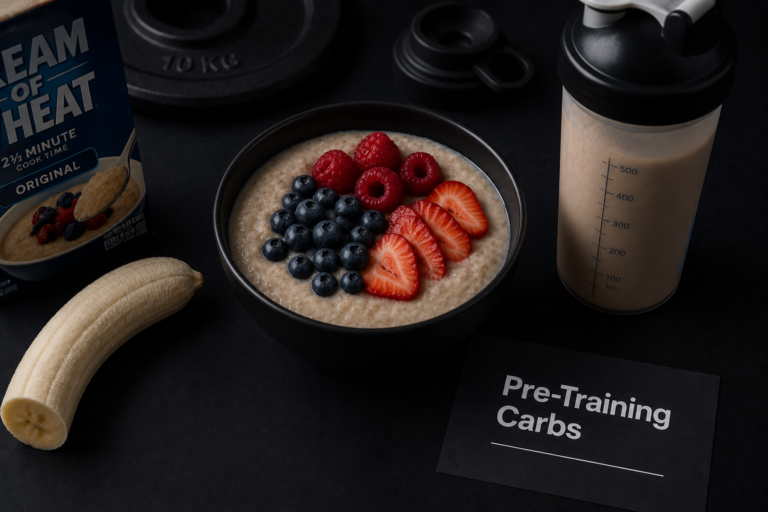
- As a pre- or post-workout protein anchor. Around training, a shake delivers fast, leucine-rich protein in a form you can tolerate before or after a session when a solid meal would sit heavy, as covered in pre- and post-workout nutrition on semaglutide.
The dose-increase window is where this stopped being theory for me. After moving from 0.25 mg to 0.5 mg at week four, nausea got noticeably worse and stayed elevated for about two and a half weeks. Solid food intake fell off a cliff during that stretch. To protect my daily protein target, I was taking in up to 100 g of protein a day through shakes alone. Solid food simply was not happening, and the shakes were the only thing keeping the floor intact. That is the entire argument of this article in one lived example: when volume collapses, liquid protein is not a convenience, it is the mechanism that keeps you from losing the muscle you are training to keep.
When protein shakes are not the answer
The failure mode is using shakes to replace whole food entirely. Three specific traps:
- Replacing solid meals wholesale. Whole food brings micronutrients, fiber, and satiety that powders do not. Shakes are there to fill the volume gap, not to become your diet. When solid food is tolerable, eat it.
- Drinking shakes to avoid cooking rather than to solve a volume problem. That is convenience-mode, the thing this article argues against. The shake earns its place when volume is the constraint, not when you just do not feel like making food.
- Over-relying on shakes at the expense of food-based leucine distribution. Your day still wants several whole-food, threshold-clearing meals. Shakes patch the gaps; they are not the structure.
What to look for in a protein supplement on GLP-1
If you are choosing a product for this use case, the criteria that matter:
- Whey isolate over concentrate if lactose or GI tolerance is a concern on your slowed digestion
- Leucine per serving high enough to clear the threshold, roughly 2–3 g, which most quality whey isolates provide in a standard scoop
- Sweetener type that does not irritate a sensitive gut: sugar alcohols like sorbitol and maltitol can worsen GI symptoms on suppressed motility, so they are worth avoiding
- No proprietary blends without full amino acid disclosure: if the label will not tell you the leucine content, you cannot confirm it does the job
Key Takeaway
On GLP-1, a protein shake is not a shortcut. It is a tool that does something solid food cannot: it delivers protein without triggering the same stomach-volume limit. Whey isolate is the best fit for that job because it is high in leucine, fast-digesting, low-volume, and usually easier on a slowed gut when chosen well. Use shakes for three jobs: topping a short meal to threshold, holding your floor on injection day, and anchoring protein around training. Avoid the one failure mode: letting shakes replace whole food entirely. When volume is the constraint, liquid protein is how you keep hitting a target your appetite is fighting.
Download the free GLP-1 Starter Framework, the three-lever system for losing fat without losing muscle.
The GLP-1 Nutrition Planning Framework ($17) covers protein targets, deficit management on suppressed appetite, injection day adjustments, and a 12-week tracking spreadsheet for logging it all.
FAQ
Are protein shakes effective for muscle on semaglutide?
Yes, and arguably more useful on GLP-1 than off it. Liquid protein bypasses the stomach-stretch fullness signal that limits solid food intake, so a shake delivers a full leucine dose in a volume your suppressed appetite can handle. Whey isolate in particular is high in leucine and fast-digesting, making it efficient for triggering muscle protein synthesis when solid meals are hard to finish.
What is the best protein powder for GLP-1 nausea?
A whey isolate with a clean sweetener profile is usually the best-tolerated. Isolate is lower in lactose than concentrate, which matters on a slowed, sensitive gut, and avoiding sugar alcohols like sorbitol and maltitol reduces GI irritation. Cold shakes often sit better than warm or strongly flavored ones during a nausea window. Sip slowly rather than drinking quickly if nausea is significant.
Can I replace meals with protein shakes on Ozempic?
Use them to fill the gaps, not to replace whole food entirely. Shakes solve the volume problem when solid food won’t fit, but whole food provides micronutrients, fiber, and satiety that powders lack. The best approach is several whole-food, protein-anchored meals supplemented with shakes when a meal comes up short, on injection day, or around training, not an all-liquid diet.
Whey isolate or concentrate on GLP-1?
Isolate, if lactose or GI tolerance is a concern, which it often is on slowed digestion. Isolate is more processed to remove most lactose and fat, leaving a higher protein percentage per scoop and a gentler profile on a sensitive gut. Concentrate is cheaper and fine if you tolerate it well, but for the GLP-1 use case isolate’s lower lactose and higher protein density give it the edge.
How much protein from shakes is too much on semaglutide?
There is no fixed cap, but shakes should supplement whole food, not dominate the day. Relying on them for most of your protein means missing the micronutrients, fiber, and satiety whole food provides. As a rule of thumb, lean on shakes when volume is the constraint (short meals, injection day, around training) and get the rest from food whenever solid meals are tolerable.
Nothing on this site constitutes medical advice. I’m not a physician, and this blog documents my own research and experience. Consult a qualified healthcare provider for decisions about medication, dosing, or treatment.
Ryan Mercer | MetabolicMale.com | ryanmercer@metabolicmale.com
References
Citations:
- Norton LE, Layman DK. Leucine regulates translation initiation of protein synthesis in skeletal muscle after exercise. J Nutr. 2006;136:533S–537S.
- Jager R et al. International Society of Sports Nutrition Position Stand: protein and exercise. J Int Soc Sports Nutr. 2017;14:20.
- Stokes T et al. Recent perspectives regarding the role of dietary protein for the promotion of muscle hypertrophy with resistance exercise training. Nutrients. 2018;10:180.
- Ozempic / Wegovy (semaglutide) Prescribing Information. Novo Nordisk. Current label.